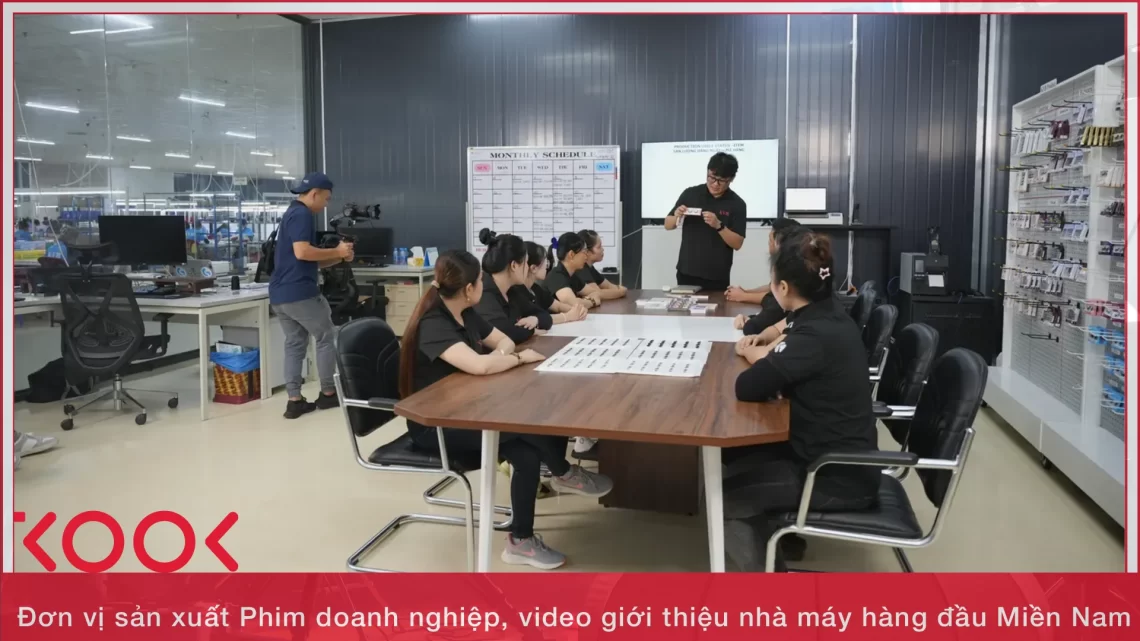
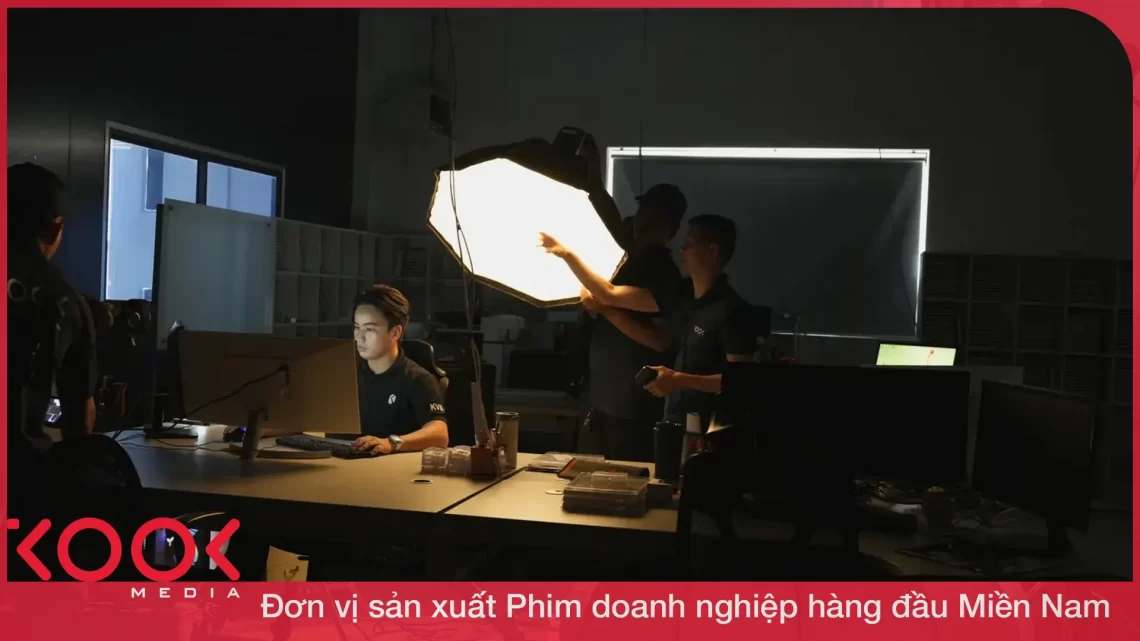
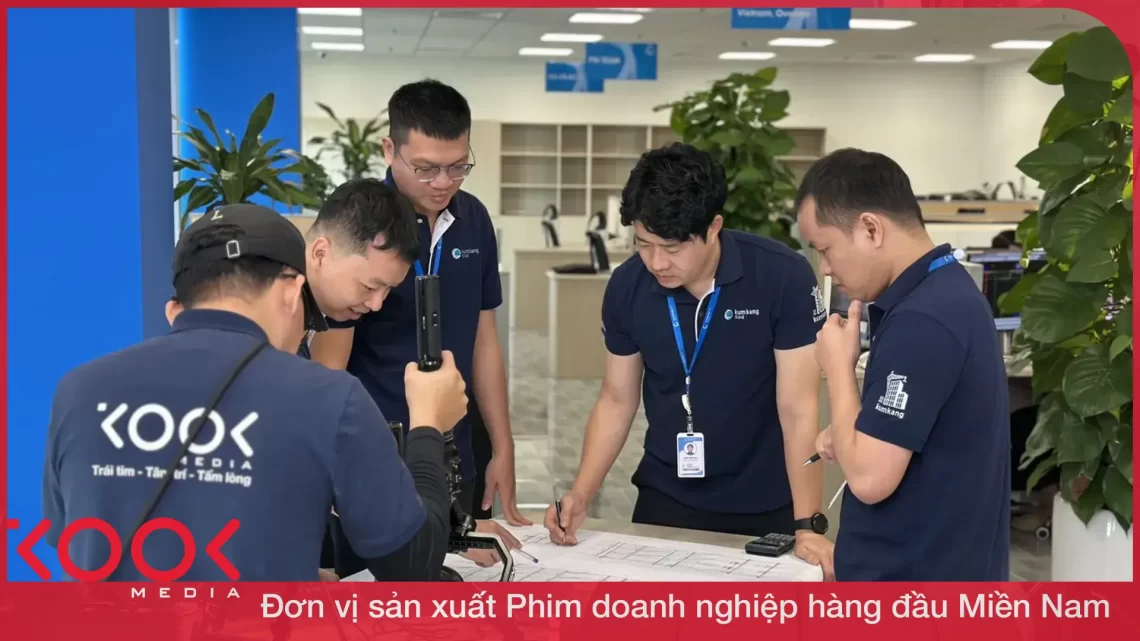
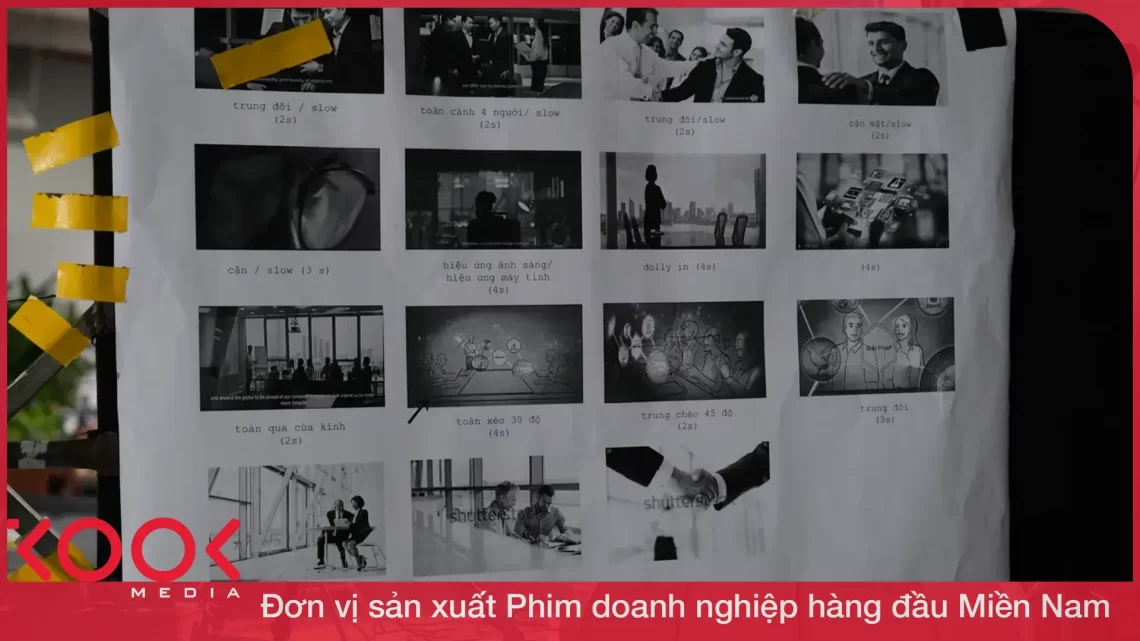
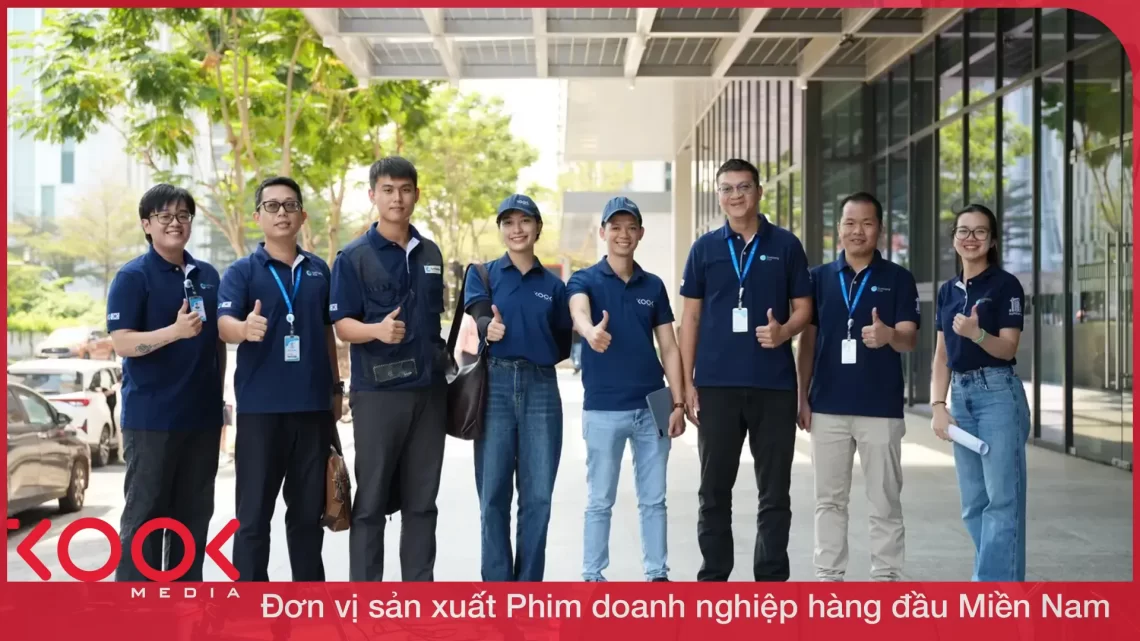
Recruitment video and employer branding films for manufacturing companies in Vietnam serve a dual audience: local workers who evaluate the workplace environment before applying, and international headquarters that needs to see how the Vietnam facility communicates its employer brand. Kool Media has produced employer branding videos for FDI factories where the final deliverable included Vietnamese and English versions shot simultaneously — one script structured to work in both languages without reshooting. The production challenge in factory recruitment video is showing real working conditions accurately while maintaining an aspirational tone that attracts candidates who will stay.
An HR or personnel lead at an FDI factory in Vietnam rarely needs just one recruitment clip. Across the whole employee lifecycle — attract, onboard, train, keep safe, retain — video is the most efficient tool you have, especially when your workforce runs into the hundreds and your headquarters sits overseas. This page lays out the videos your factory’s HR and operations team actually use, with a real Kool Media project behind each, and how we produce them.
The videos an FDI factory’s HR team needs
Each stage of the employee lifecycle has a video that does the heavy lifting. Seen together they are not five unrelated productions — they are one system that attracts, onboards and keeps your people, and most can be captured in coordinated shoots by the same crew.
| Lifecycle stage | Video that does the work |
|---|---|
| Attract | Recruitment video |
| Retain & engage | Employer branding & workplace-culture video |
| Onboard safely | Occupational-safety induction video |
| Enter controlled areas | Cleanroom gowning & area-entry SOP video |
| Get productive | Training & onboarding video + training roadmap |
1. Recruitment video — attract the right candidates
In Binh Duong, Dong Nai or Long An, a factory competes for workers with every other plant in the same industrial park. A recruitment video earns its place by showing the real working environment — the shifts, the floor, the people already there — not a staged version candidates see through instantly. Kool Media films real staff, adds bilingual subtitles, and delivers both a short social cut of 30 to 90 seconds for fan pages, recruitment TikTok and job fairs, and a fuller careers-page version, all from a single shoot. The same footage feeds your culture and onboarding videos later, so a recruitment shoot is rarely wasted on one clip alone.
2. Employer branding & workplace-culture video — keep the people you have
Hiring is only half the battle; turnover quietly eats the other half. An employer-branding video shows the daily reality and the values behind it — recognition, growth, the voices of long-serving staff — so current employees feel seen and candidates trust what they see.
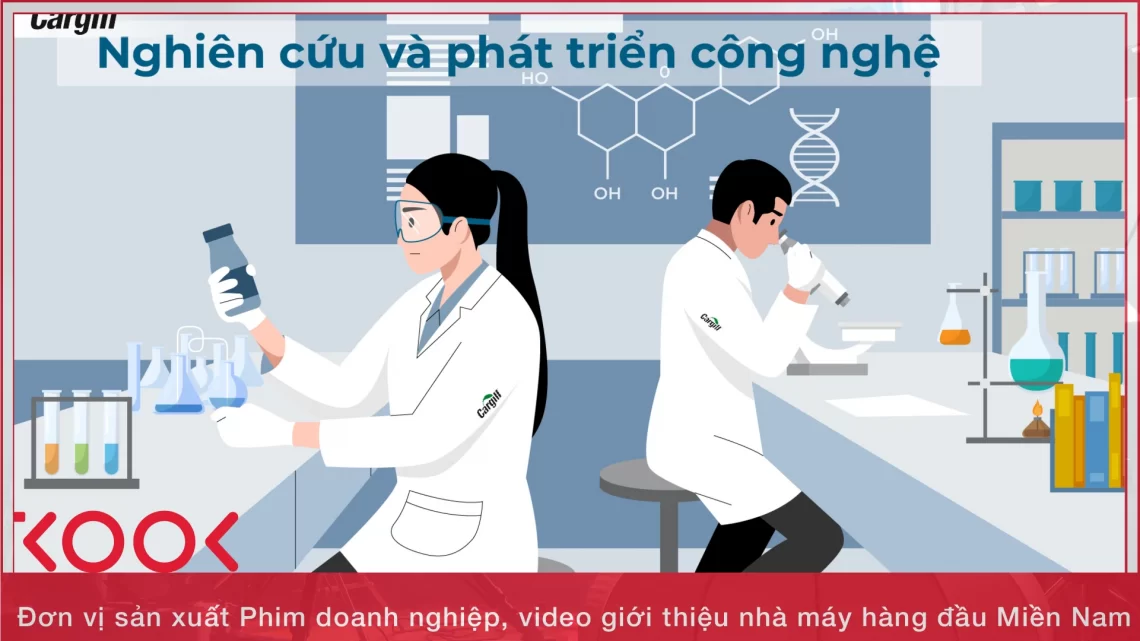
Real project — Cargill Vietnam, “Honoring 25 years of service”. Kool Media built a 25-year journey into an emotional story carried by a female narrator, filmed at Cargill’s own facilities and woven through with the company culture: people first, workplace safety, customer focus. Filmed over 2 days — 1.5 at the office and half a day at the factory — it works as both recognition for the individual and motivation for everyone watching.
3. Occupational-safety induction video — mandatory, consistent, provable
New-hire safety orientation is not optional in a factory, and running it live with each batch of workers means it is delivered slightly differently every time. A standardized safety induction video fixes that: every worker sees the same PPE rules, hazard awareness, emergency procedures and 5S standards, in their own language. Just as important, you hold a verifiable record that the training was given — which matters when an auditor, an insurer or your HQ asks for proof of compliance.
Real project — C.P Seed, 3D factory entry-and-exit procedure. Kool Media produced a 3D-animated video standardizing the procedure for entering and leaving the plant — the kind of clip that turns a wall of rules into a sequence every visitor and new worker can follow the first time. 3D animation lets you show restricted zones and correct behavior clearly without filming sensitive areas live.
4. Cleanroom gowning & area-entry SOP video — for electronics, pharma & food factories
In ISO-classified or GMP environments, gowning is the single biggest safeguard against contamination — one skipped step can compromise an entire batch. Training every new cleanroom worker live, by hand, guarantees drift over time. A gowning and area-entry SOP video locks the procedure down: the exact donning sequence, hygiene steps and do-nots, performed identically by everyone, every time, and easy to refresh before a shift or an audit.
Real project — Constantia Vietnam. Constantia’s factory film includes a clean-room segment shot under the plant’s strict controlled-entry rules — proof that Kool Media can film inside a cleanroom correctly, the same discipline a dedicated gowning SOP video requires.
5. Training & onboarding video + training roadmap — get people productive faster
The cost of weak onboarding shows up as slow ramp-up and early turnover. Training videos carry the load a trainer cannot repeat consistently for every hire: role-specific SOPs, machine operation, the first-30-days path from orientation to skill-building to integration. A training-roadmap video goes one level up — it shows a worker the skill and career path ahead, which is itself a retention tool. Animation is often the right format when the subject is a process or a concept rather than something you can simply film.
Real project — Perfetti Van Melle Vietnam, PPE program explainer. For the global confectionery maker’s internal “Perfetti Performance Excellence” program, Kool Media produced an 8-minute 2D-animation explainer built around a story — machine #11’s performance problem and the departments solving it — to carry a large volume of information clearly. Vietnamese with English subtitles, for a workforce and a global parent company. See the project.
Why produce your HR videos with Kool Media
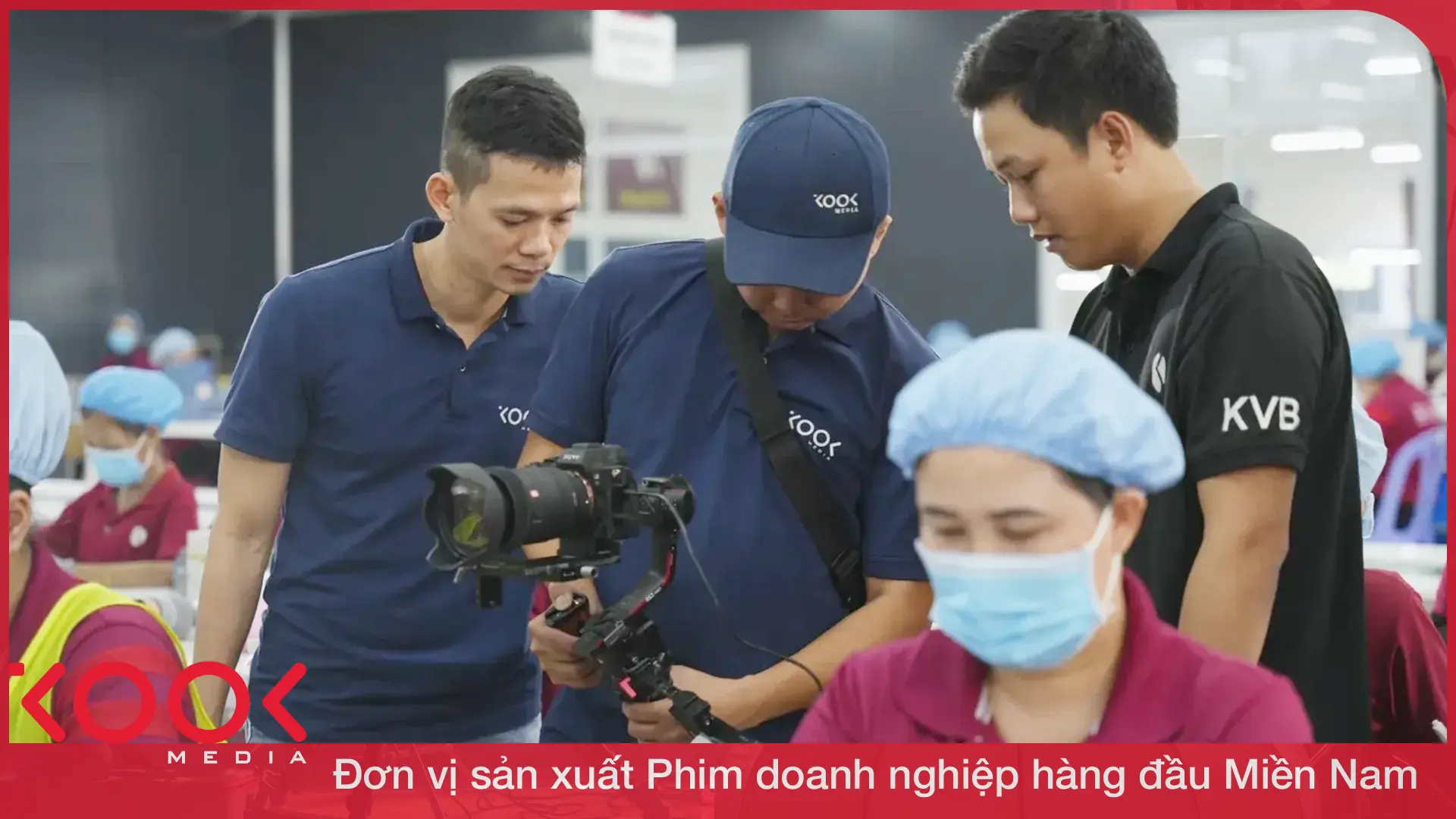
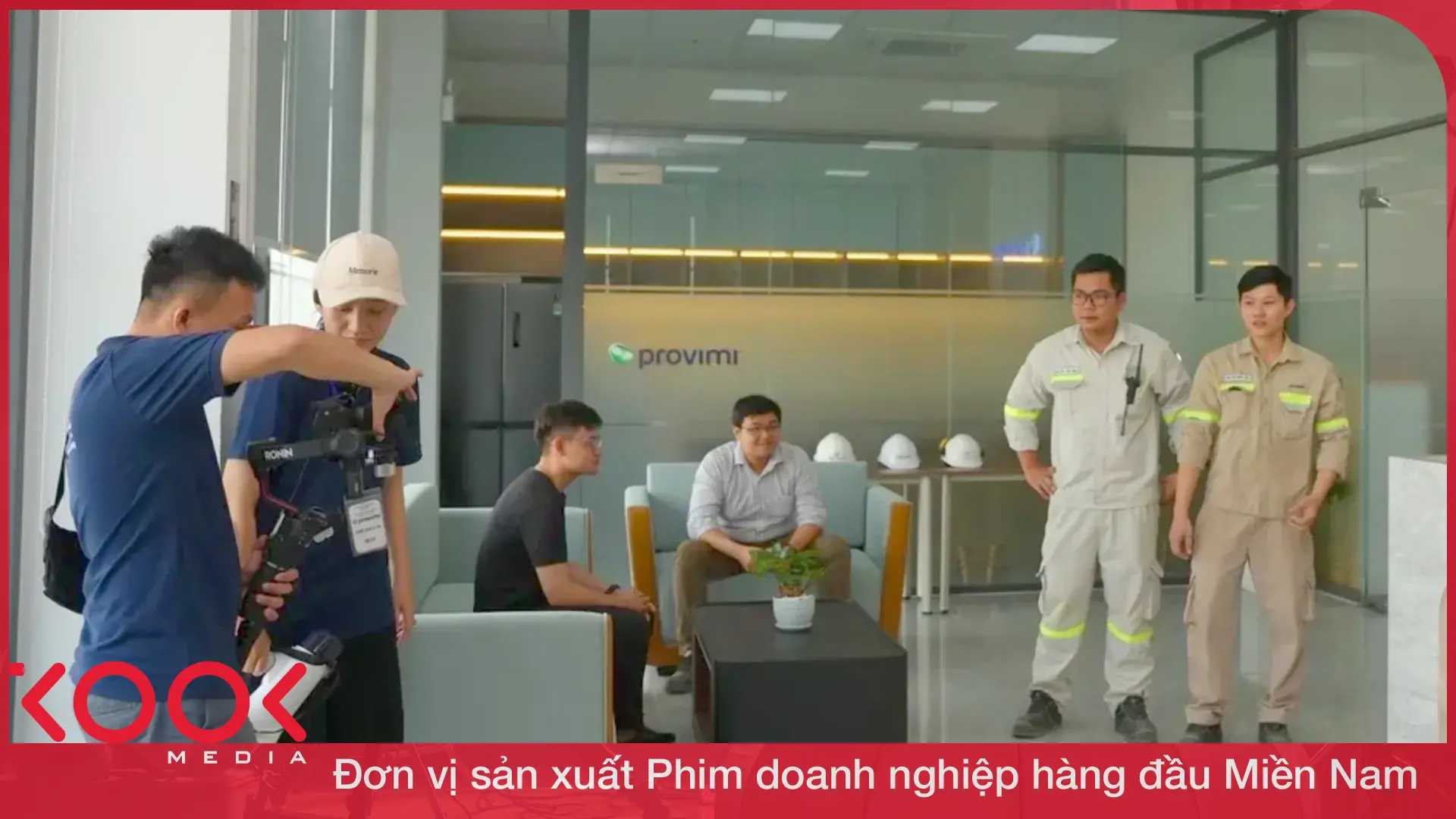
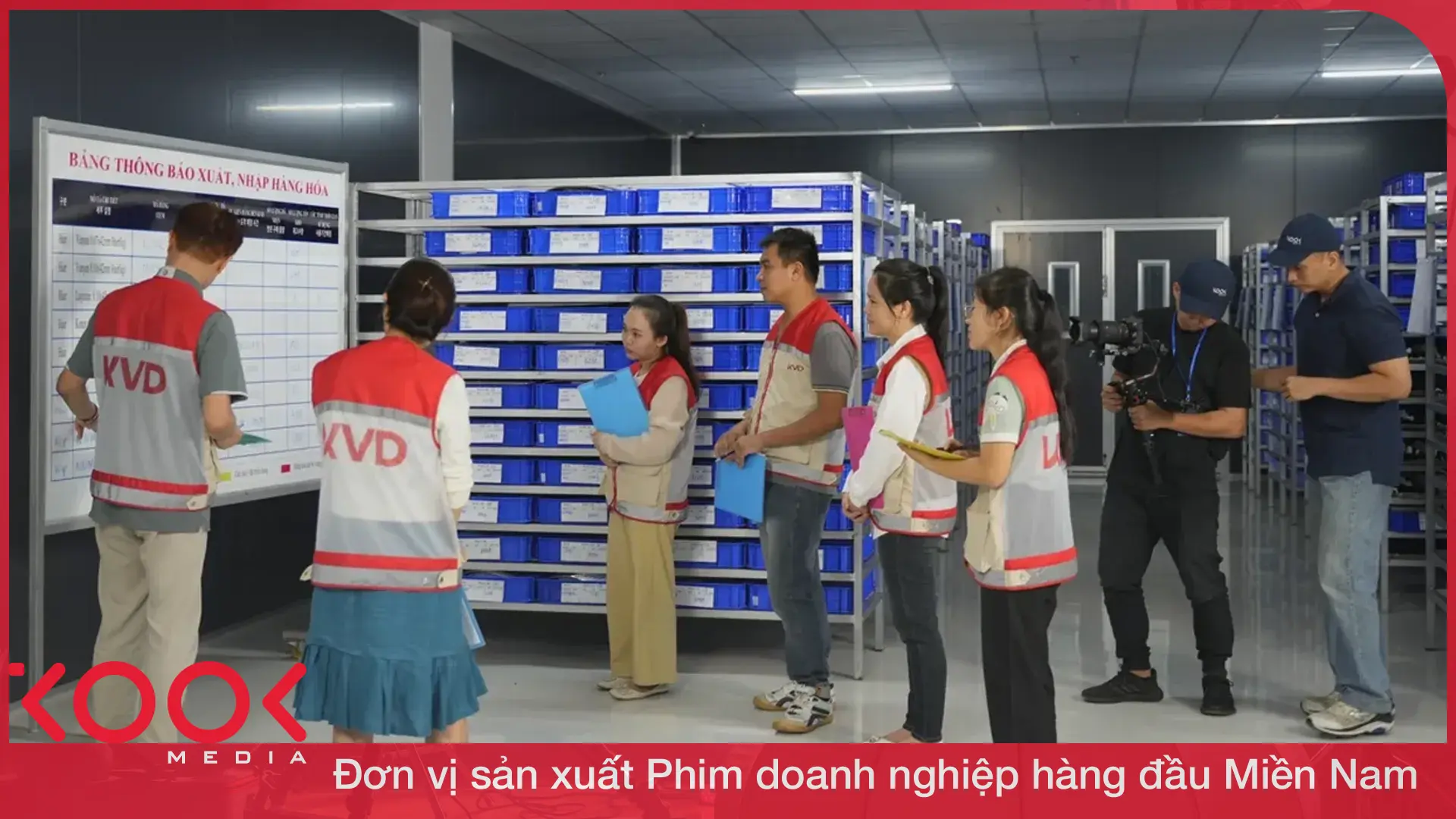
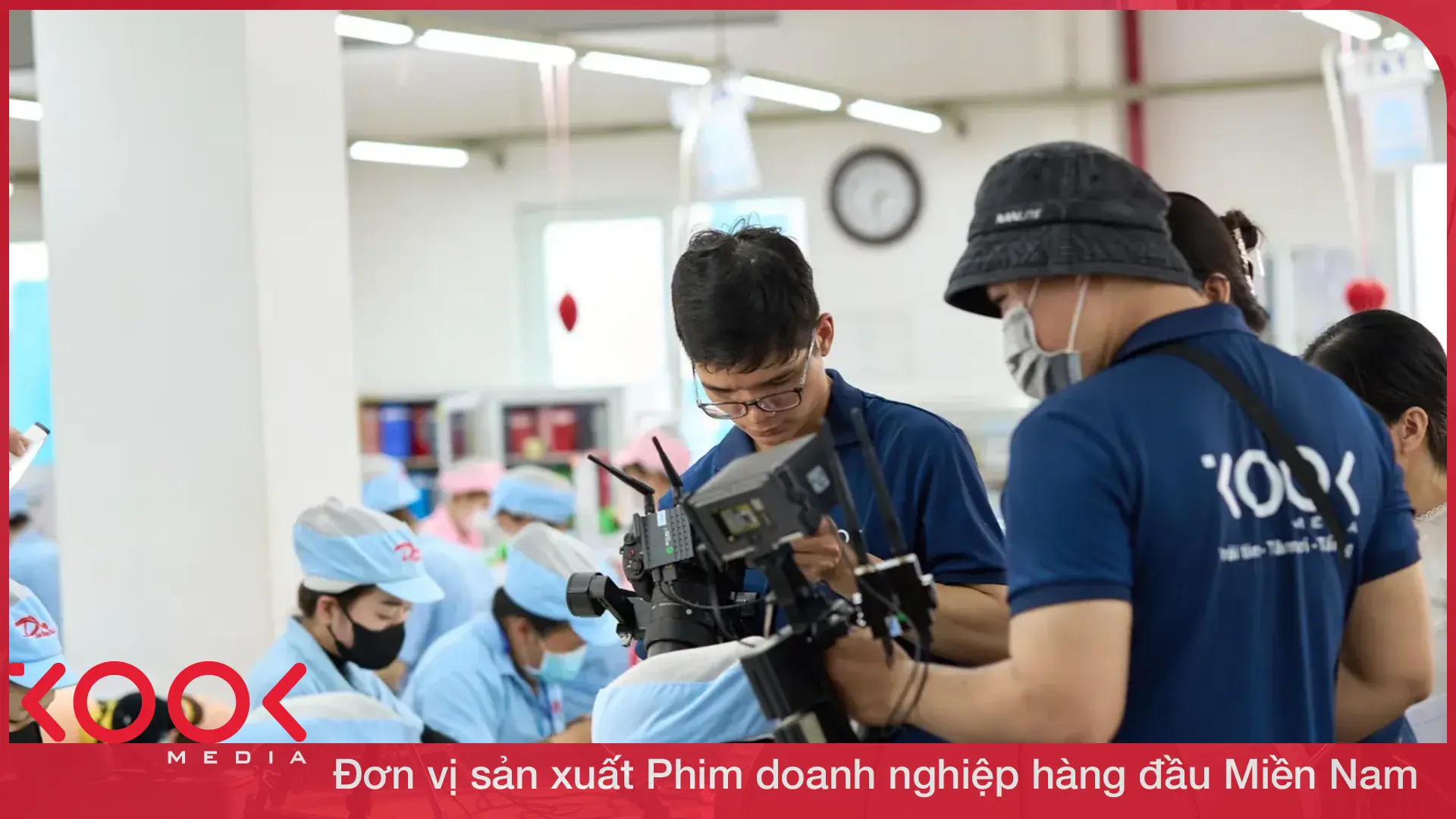
Internal video has demands a general video crew does not plan for, and this is where factory experience shows. We film among your staff while they keep working — built around shifts, never stopping the line — and we handle on-camera consent for everyone identifiable. We deliver bilingual versions, Vietnamese for the workforce and your HQ’s language for the parent company, so a single production serves both audiences at once. And because these video types share locations and people, we capture them in coordinated shoots — one crew, one consistent look — rather than five disconnected jobs spread across the year. Every project includes 6 free post-production revision rounds, with no re-shoot, so the material clears review on both sides without surprise costs.
For external-facing video aimed at customers and HQ rather than your workforce, see our factory video production and corporate video production for FDI manufacturers.
Frequently asked questions
Can one shoot cover several of these video types?
Often yes. Recruitment, culture and parts of a safety or training video share the same locations and people, so Kool Media plans coordinated shoots to capture several at once — fewer disruptions to the floor and a consistent look across the set.
Do safety and training videos need to follow a specific standard?
They should reflect your own SOPs and any compliance framework you operate under, such as safety regulations, GMP or ISO. The value of video is consistency and a verifiable record that every worker received the same instruction — we build content around your procedures, not a generic template.
Can you film inside a cleanroom?
Yes. We have filmed clean-room operations under a plant’s controlled-entry rules, for example at Constantia Vietnam, and produce gowning and area-entry SOP videos that standardize the procedure for every new worker.
How do you produce videos in our workers’ language and our HQ’s language?
From a single shoot we deliver bilingual versions — Vietnamese plus your HQ’s language such as Korean, Japanese or English — via subtitles or voice-over, so both the workforce and the parent company can use the same material.
Will filming disrupt production?
No. We build the shotlist around production shifts and film in suitable windows, without stopping the line during the main shoot.
Which video should an FDI factory produce first?
It depends on your most pressing need — usually recruitment if you are scaling headcount, or safety induction if you are onboarding large batches. In a 20-minute consult we map your situation and recommend the order that gives the fastest return.
Building your factory’s HR video set this year? Book a 20-minute consult with Kool Media and we will map which videos to produce first, and which can be captured together in one shoot.